

2025-2027 EAC Spotlight: José Burgos
This fall, Advance Illinois welcomed the 2025-2027 Educator Advisory Council (EAC) cohort, bringing together educators across early childhood to postsecondary, representing the diversity across Illinois. In the next two years, they will deepen their policy knowledge, explore the root causes of the disparities we see in education, and take action together through advocacy efforts including legislative testimony, writing op-eds, and organizing their peers. As part of the 2025-2027 EAC Cohort Spotlight series, we look forward to introducing each member and highlighting their journeys as educators and the experiences they bring to this space.
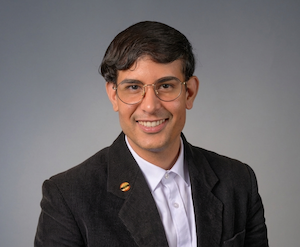
Introducing: José Burgos, Spanish Teacher
Tell us a little about your teaching journey — what subjects, grades, or communities have you served?
I am a passionate Venezuelan teacher who has been based in Illinois for the past five years. I knew I wanted to work in education from the age of 17. I earned my degree in ESL education from the Pedagogical University of Venezuela in 2014, and in 2021 I came to the United States as an international student on a scholarship to pursue graduate studies. I have served a broad range of students in diverse contexts across four countries, from K–7 through graduate school. This experience has given me a unique perspective and the ability to adapt, empathize, connect with, and understand my students beyond my own cultural lenses and biases.
What are some challenges or opportunities you see in education today that motivate your work?
Some of the challenges I see in education today include the lack of relevance in certain aspects of teacher training at the college level, the rise of social media use and issues, and, in some contexts, a diminished respect and appreciation for education; factors that give rise to many additional challenges. At the same time, there are important opportunities, such as the democratization of knowledge through digital media and a deeper understanding of the human brain and the psychology of learning.
How does being part of the EAC connect to your goals or passions as an educator?
I am really passionate about policy making. Beyond the classroom, it is the highest impact field where I could possibly play as a foreigner in the US. Not only does it provide me with tools to understand my educational context, but it also gives me the opportunity to contribute meaningfully to the creation of discussions that affect the future of education at the state level.
Can you share an example of a time you advocated for your students, school, or community?
In 2021, in the aftermath of the COVID-19 pandemic, Southern Illinois University Carbondale experienced a severe shortage of mental health services for students at a particularly critical time. As president of the Latin American Student Association, we reached out to the chancellor to raise awareness of the situation and advocated for the hiring of additional personnel to address what we viewed as a mental health crisis within the university. As a result, more counselors were made available, and students who had been placed on waiting lists were ultimately able to receive these vital services.
What advice would you give students to help them stay inspired?
In general, my advice would be that life does get better, and that they can shape their future—sometimes painfully—through small, compounded actions. In the end, it will all be worthwhile.
Learn more about the Educator Advisory Council here.