

2025-2027 EAC Spotlight: Dr. Jill Donnel
This fall, Advance Illinois welcomed the 2025-2027 Educator Advisory Council (EAC) cohort, bringing together educators across early childhood to postsecondary, representing the diversity across Illinois. In the next two years, they will deepen their policy knowledge, explore the root causes of the disparities we see in education, and take action together through advocacy efforts including legislative testimony, writing op-eds, and organizing their peers. As part of the 2025-2027 EAC Cohort Spotlight series, we look forward to introducing each member and highlighting their journeys as educators and the experiences they bring to this space.
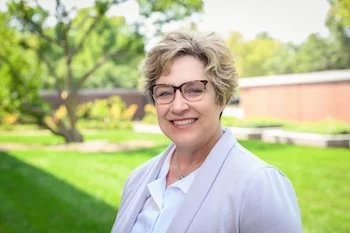
Introducing: Dr. Jill Donnel, Executive Director - Higher Education
Tell us a little about your teaching journey — what subjects, grades, or communities have you served?
I served as a classroom teacher for almost 20 years teaching first grade, third grade, and middle school language arts over the course of that time. I served as an administrator of a PreK-12 building, and I have worked in higher education for the past 18 years as a college instructor, as a director of student teaching and student concerns, as an assistant director for undergraduate programs and advising, and, most recently, as the executive director for the Council on Teacher Education at the University of Illinois Urbana-Champaign.
What are some challenges or opportunities you see in education today that motivate your work?
I am excited to see the level of commitment demonstrated by today's educator licensure candidates as they prepare to enter the field. Our understanding of trauma-informed education, restorative practices, and tenets of social justice ensure that this generation of teachers is well-prepared to collaborate effectively with students and families and to impact our communities in positive ways.
How does being part of the EAC connect to your goals or passions as an educator?
Membership in the EAC connects me to other like-minded professionals who have a deep passion and commitment for the education of students and connections with families of Illinois. I learn so much from my interactions with committee members, and I feel that I am better informed about decisions being made at the state and federal level that may be consequential for our students and their families.
Can you share an example of a time you advocated for your students, school, or community?
I have elevated educator voice in our community of practice by listening to the requests of local teachers, Regional Offices of Education, and superintendents related to supports needed for multi-lingual learners. Based on those conversations, my unit has helped to make connections with university faculty and staff and to fund opportunities for designing and implementing supports for new multi-lingual learners and their families as they enter local schools, and we are currently designing a system of support for classroom teachers related to developing effective instructional strategies that support multi-lingual learners in literacy, and eventually numeracy, instruction.
Grounding our work as a Research 1 institution in the assets and needs of the community (and as expressed by the community), has made the developed supports practical and meaningful for the children and families served and represents a practical application of our university’s land-grant mission and charge from the state of Illinois to enhance the lives of the citizens of Illinois. Listening to the voices of Illinois’s educators in the field and building our work from a shared perspective (as opposed to only “research agendas”), has positively affected outcomes for the students and families we all serve.
Learn more about the Educator Advisory Council here.