

2025-2027 EAC Spotlight: Juan Pablo Esquivel
This fall, Advance Illinois welcomed the 2025-2027 Educator Advisory Council (EAC) cohort, bringing together educators across early childhood to postsecondary, representing the diversity across Illinois. In the next two years, they will deepen their policy knowledge, explore the root causes of the disparities we see in education, and take action together through advocacy efforts including legislative testimony, writing op-eds, and organizing their peers. As part of the 2025-2027 EAC Cohort Spotlight series, we look forward to introducing each member and highlighting their journeys as educators and the experiences they bring to this space.
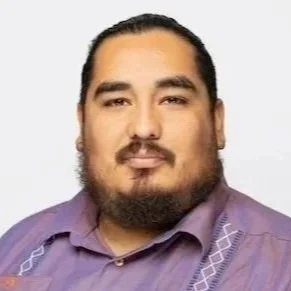
Introducing: Juan Pablo Esquivel, Learning Specialist - Science
Tell us a little about your teaching journey — what subjects, grades, or communities have you served?
My teaching journey has centered on serving high school students in Chicago, particularly students from historically underserved communities. I currently teach physics and chemistry and have worked primarily with 9th–12th grade students. Much of my work has focused on supporting English Language Learners, students with IEPs, and first-generation college-bound students. I approach science instruction not just as content delivery, but as an opportunity to build analytical thinking, confidence, and access to future pathways in STEM and higher education. Through PLC collaboration and differentiated instruction, I work to ensure that rigorous academic opportunities are accessible to all students, while also helping them see themselves as capable scholars and problem-solvers.
What are some challenges or opportunities you see in education today that motivate your work?
One of the biggest challenges I see in education today is the persistent gap between students’ potential and their access to opportunity. Many young people, especially students of color in urban communities, have the talent and ability to succeed in rigorous academic and career pathways, yet they often lack consistent exposure to mentorship, resources, and systems that help them navigate those opportunities. Too often, structural barriers such as inequitable school funding, limited access to college and career advising, and fragmented support systems prevent students from fully realizing their potential. At the same time, this challenge presents a powerful opportunity for educators and community leaders to rethink how schools connect students to pathways that extend beyond the classroom.
My perspective on these issues has also been shaped by my participation in leadership and policy development spaces. As a Surge Institute Fellow, a participant in the Latino Policy Forum’s Multicultural Leadership Academy, and a member of the Change Collective Chicago, I have had the opportunity to engage with educators, advocates, and community leaders who are working daily to improve educational outcomes across Chicago and beyond. These experiences have deepened my understanding of how policy, community engagement, and school-based leadership intersect. They have also reinforced my belief that sustainable change in education happens when educators collaborate with community organizations, policymakers, and families to design systems that truly serve students. Sharing ideas with leaders who are in the field day-to-day continues to motivate my work and strengthens my commitment to building more equitable pathways for young people.
How does being part of the EAC connect to your goals or passions as an educator?
Being part of the EAC aligns closely with my commitment to educational equity and community engagement. I believe educators have a responsibility not only to teach in classrooms but also to contribute to broader conversations about policy and opportunity. The EAC creates space for educators to bring their on-the-ground experience into dialogue with policymakers and community leaders. Participating in this work allows me to advocate for systems that better support students, especially those navigating barriers to college and career pathways. It also connects me with a network of educators who share a commitment to improving educational outcomes across Illinois.
Can you share an example of a time you advocated for your students, school, or community?
One example of advocacy in my work has been collaborating with colleagues to strengthen academic supports for students who historically struggle to access rigorous coursework. Through our professional learning community, we analyzed student data and recognized that English Learners and students with IEPs were often capable of engaging in higher-level content but were not always receiving the scaffolding needed to succeed. I worked with colleagues to redesign lesson structures, incorporate literacy strategies into science instruction, and ensure assessments reflected multiple ways for students to demonstrate understanding. This effort helped increase engagement and confidence among students who previously felt disconnected from advanced coursework. Advocacy not only happens through large initiatives, but often it occurs through the daily work of ensuring students receive the support and belief they deserve.
What advice would you give students to help them stay inspired?
I would tell students that their starting point does not define their destination. Growth often comes from persistence, curiosity, and the willingness to ask questions when something feels difficult. The most successful students I have worked with are not always the ones who understand everything immediately, but they are the ones who keep showing up and challenging themselves. Surround yourself with people who support your goals, stay curious about the world around you, and remember that your education is a tool that can open doors not only for yourself but also for your community.
Learn more about the Educator Advisory Council here.