

This fall, we’re getting to know the newest members of Equity First through our Get to Know Me blog series.
Advance Illinois’ Equity First is an alliance of superintendents across Illinois that advocate for public policy that promotes equity in public education for students. The group convenes to discuss education policy and school community issues, helping to inform Advance Illinois’ education policy agenda and shape statewide policy. Many of these superintendents are also members of the Funding Illinois’ Future coalition.
Read along as they share their journeys in education, their hopes and priorities for the school year, and more.
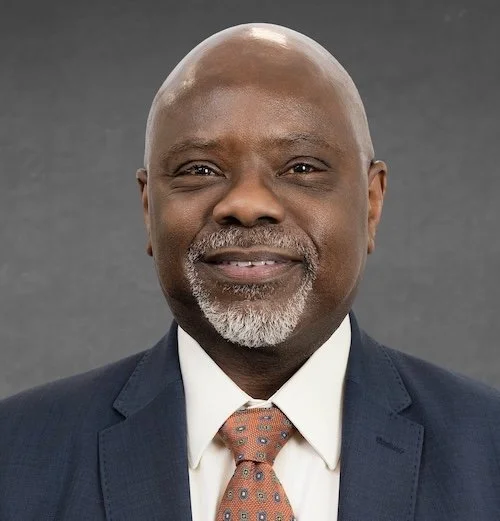
This week, we get to know Dr. Jerry Bell, Peoria Public Schools District 150
Did you always know you wanted to go into education? We are interested in learning what inspired you to get into the field and key highlights in your career education journey so far.
Actually, in my senior year of college, I took the LSAT and was admitted into St. John’s University Law School. However, my mother and older sister convinced me not to go to New York. So, I decided to go to graduate school, get my Master's degree, and at the same time, get certified to teach. In the spring of 1996, I finished my semester of student teaching and was hired that August to teach 8th grade American history. I have been in the education profession ever since.
Tell us about what makes your school district so special to you.
For me, Peoria Public Schools District 150 is special because of the large community involvement. From supporting students' sporting events to tutoring and mentoring students, the large number of volunteer hours our community members make in Peoria Public Schools District 150 is second to none. We are blessed with great community support for our schools.
What do you hope for your school district this year?
As this is my first year as superintendent of Peoria Public Schools District 150, my hope this year is simple. Aside from increasing test scores, I hope to develop symbiotic relationships with district stakeholders, who are willing to serve as mentors for our students (or adopt schools, so they can serve as reading buddies/tutors). I also hope to maintain the outstanding momentum of curricular innovation and opportunities for students to hone their job-readiness "soft skills" outside of their schools.
What are some of your top priorities as a superintendent?
As superintendent, my top priorities are increasing students' literacy and numeracy scores; infusing financial literacy throughout the curriculum; increasing business partnerships (thus, increasing internships and externships); and increasing the graduation rate at each of our three high schools.
How does EBF funding play a role in the success of the students the school district serves? What resources/supports have made a positive difference for students and teachers? What would further benefit your school?
EBF funding plays a huge role in the success of students in our district. From being able to hire (and retain) certified teachers and support professionals, e.g., psychologists, social workers and campus security officers, to ensuring there are adequate, culturally responsive resources/materials throughout the prescribed curriculum, EBF funding has a crucial role in properly executing the mission and vision of our school board.
With our aging facilities and antiquated technology infrastructure, additional EBF funding (and Fund 90 funding) resources/supports would go a long way toward helping Peoria Public Schools District 150 modernize our facilities and refurbish our aging technology infrastructure.
What do you wish more people realized about how public school funding works?
I wish more people realize that just like private industries, public schools have increased insurance and retirement obligations, yearly. Both of these employee benefits require additional public funding to sustain, so that we can attract and retain highly qualified employees. As public entities, public schools cannot simply raise the price of its products; we have to ask taxpayers/legislatures for the additional resources, which oftentimes means raising taxes. If the public thoroughly understood the "why" behind the ask, I am convinced they would support our efforts to adequately fund our labor-related obligations.
As Evidence-Based Funding (EBF) approaches its 10-year anniversary, what would you like to see funding do for your school district community in the next decade?
Put simply, I would like Evidence-Based Funding (EBF) to adequately enhance our school district's curricular offerings, curricular resources, modernize our facilities, cultivate our antiquated technology infrastructure, and provide us with enough resources to assist us in the recruitment and hiring of highly qualified (and professionally developed) professional educators.