

2026 Illinois Superintendent Spotlight: Dr. Andalib Khelghati
This fall, we’re getting to know the newest members of Equity First through our Get to Know Me blog series.
Advance Illinois’ Equity First is an alliance of superintendents across Illinois that advocate for public policy that promotes equity in public education for students. The group convenes to discuss education policy and school community issues, helping to inform Advance Illinois’ education policy agenda and shape statewide policy. Many of these superintendents are also members of the Funding Illinois’ Future coalition.
Read along as they share their journeys in education, their hopes and priorities for the school year, and more.
This week, we get to know Dr. Andalib Khelghati, Oswego Community Unit School District 308.
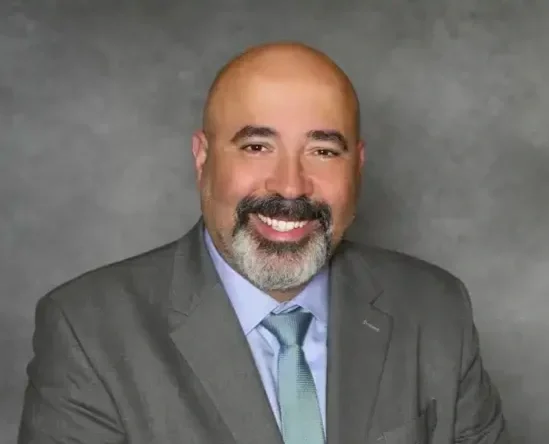
Did you always know you wanted to go into education? We are interested in learning what inspired you to get into the field and key highlights in your career education journey so far.
I always knew I wanted my work to be about justice and about improving people's lives. Education became the way I pursued that, because I came to understand that schools can shape a young person's life for better or for worse, and that the choices we make in them matter. That realization became my calling. I spent more than a decade as an assistant principal and principal, then moved into district leadership in Evanston/Skokie District 65, where I helped build teacher and principal residency programs. Serving as superintendent of Oswego CUSD 308 is the next chapter of that same commitment.
Tell us about what makes your school district so special to you.
Oswego CUSD 308 covers about 68 square miles across three counties, but it has a remarkable history and real heart at its foundation. The first school in our district opened in 1837. Since then, families from across the country and around the world have made a home here because they knew they were welcome. Like every district, we have ongoing challenges, and we remain a community committed to the success of every student.
What do you hope for your school district this year?
I hope our community has the information it needs to make a decision about investing in our schools through the November referendum. I am also looking forward to the next stage of collaboration with our teachers' union in support of student achievement. And I am proud of our NxtGEN Residency Program, a partnership with Aurora University that has prepared dozens of new educators who are now in our classrooms or preparing to enter them as the next generation of teachers.
What are some of your top priorities as a superintendent?
First, securing the funding our students need through advocacy, partnerships, and a balanced budget. Second, making sure our schools are welcoming, inclusive places. Schools are the first and foremost places where students and staff should feel they belong. Third, carrying out Our Story 2028, our strategic plan, now in its second year, brings these priorities together in service student learning.
How does EBF funding play a role in the success of the students the school district serves? What resources/supports have made a positive difference for students and teachers? What would further benefit your school?
Evidence-Based Funding is the foundation of our ability to serve students. It supports our ability to provide the best academic, music, arts, athletics, and enrichment programing. Through this, we see sustained improvements and career development pathways. Without EBF, I do not believe we could offer what we do today. Our district is largely residential with very little industrial or commercial base, so the cost of funding our schools falls heavily on homeowners rather than on a diverse tax base.
What do you wish more people realized about how public school funding works?
EBF has allowed us to sustain the programs that give students many ways to connect with school: the arts, athletics, and career-focused learning. It has also helped us invest in our educators, including a residency program that prepares new teachers for our own classrooms.
As Evidence-Based Funding (EBF) approaches its 10-year anniversary, what would you like to see funding do for your school district community in the next decade?
Closing the gap between what we need to run our district and the limited revenue is the single most important thing for our district's long-term stability and (is an) urgent issue. The property tax approach is not enough to cover the size and needs of our district.