

This fall, we’re getting to know the newest members of Equity First through our Get to Know Me blog series.
Advance Illinois’ Equity First is an alliance of superintendents across Illinois that advocate for public policy that promotes equity in public education for students. The group convenes to discuss education policy and school community issues, helping to inform Advance Illinois’ education policy agenda and shape statewide policy. Many of these superintendents are also members of the Funding Illinois’ Future coalition.
Read along as they share their journeys in education, their hopes and priorities for the school year, and more.
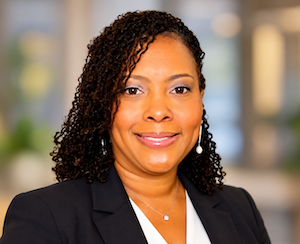
This week we get to know Dr. Tamela Daniels, Fairmont School District 89.
Did you always know you wanted to go into education? We are interested in learning what inspired you to get into the field and key highlights in your career education journey so far.
Education was not my first career choice. I earned my bachelor’s degree in business administration, but my passion for education began while volunteering at my children's school. That experience inspired me to pursue teaching credentials in Georgia, where I taught at the elementary, middle, and high school levels. An assistant principal later encouraged me to pursue Educational Leadership, and I am grateful that I followed that advice.
After relocating to Illinois, I served as a Dean of Students in DuPage County before joining Fairmont School District 89 as Assistant Principal, then Principal, and now Superintendent. Every position has prepared me for the next and strengthened my belief in the importance of relationships and leadership. I never imagined that volunteering at my children's school would lead me here, but I genuinely believe I am where I am supposed to be. I am grateful for the opportunity to serve a community that means so much to me.
Tell us about what makes your school district so special to you.
Fairmont may be a small district, but we have a big heart. We are a close-knit, culturally diverse community where students bring diverse backgrounds, experiences, languages, and abilities. While many of our students face economic challenges and may have limited access to certain opportunities, they bring tremendous potential, resilience, and a desire to learn. Our responsibility is to make sure those circumstances do not define what they can achieve.
What makes Fairmont special is the collective commitment of our staff, families, the Board of Education, and community partners. We understand that educating children goes beyond academics. It means building relationships, supporting the whole child, and removing barriers to success. Our progress reflects people who genuinely care about our students and believe in what they can accomplish. That is what makes Fairmont such a special place to lead.
What do you hope for your school district this year?
As superintendent, my hope is that Fairmont continues to move the needle in student achievement while remaining focused on meeting the needs of the whole child. We have made meaningful academic progress, and I want us to continue building on that success while strengthening our school culture and climate.
This year, we implemented the Ron Clark Academy House System to foster belonging, unity, and positive relationships among students and staff. Our motto, "Four Houses, One Fairmont," reminds us that although we may have differences, we are one school community. I believe that when students feel safe, valued, and connected, they are better positioned to learn and succeed. Ultimately, I want every student to recognize their potential and know that their circumstances do not determine their future.
What are some of your top priorities as a superintendent?
My greatest priority is ensuring that every child we have been entrusted to educate leaves Fairmont better than when they entered. Growth looks different for every student, whether academically, socially, or emotionally, but I want each child to know that we believe in them. I often say that our students can achieve because we believe they can. At Fairmont, we have high expectations and maintain standards of excellence for both staff and students because we believe everyone is capable of growing, achieving, and reaching their full potential.
As superintendent, I am also committed to maintaining financial stability, ensuring a safe and supportive learning environment, and keeping teaching and learning at the forefront of our decisions. We are working to expand enrichment opportunities, extracurricular activities, and college and career exposure so students can see possibilities beyond their immediate surroundings. Equally important is supporting our staff and fostering a culture where everyone feels valued. There is nowhere else I would rather lead because I genuinely believe in Fairmont and what we can accomplish together.
How does EBF funding play a role in the success of the students the school district serves? What resources/supports have made a positive difference for students and teachers? What would further benefit your school?
Evidence-Based Funding is essential to Fairmont's ability to meet the diverse needs of our students. As a small district serving a significant population of low-income students, multilingual learners, students with disabilities, and students in foster care, we must be intentional about how we allocate our resources.
EBF helps us provide intervention services, specialized instructional support, additional staff, professional development, and social-emotional resources. For Fairmont, every dollar matters. Equity is not about giving every student the same thing, but ensuring each student has what they need to succeed. EBF helps us move closer to making that a reality.
Investing in additional reading and math interventionists, multilingual resources, special education services, and an additional social worker has made a meaningful difference for our students. We have also prioritized professional development and instructional coaching because supporting teachers' growth directly impacts student success.
Our Community Schools partnerships, family engagement opportunities, and Bilingual Parent Advisory Committee (BPAC) have also helped strengthen connections with families and remove barriers to learning. Moving forward, continued funding for intervention services, mental health support, technology, and enrichment opportunities would allow us to expand these efforts. For Fairmont, these resources are not extras; they are essential to providing our students with the opportunities they deserve.
What do you wish more people realized about how public school funding works?
I wish more people understood that public schools do not have equal access to the same financial resources, even though we are expected to meet the same standards and requirements. Fairmont is a small, primarily residential district with a limited commercial tax base, which impacts our ability to generate local revenue. At the same time, the costs of staffing, special education, transportation, building maintenance, and other essential services continue to rise.
Additional funding does not necessarily mean that the district has extra money to spend. For districts like Fairmont, it often means being able to provide services and opportunities that students need. Equitable funding is about ensuring that where a child lives does not determine the quality of education or opportunities they receive.
As Evidence-Based Funding (EBF) approaches its 10-year anniversary, what would you like to see funding do for your school district community in the next decade?
My hope is that Illinois continues its commitment to equitable and sustainable school funding, particularly for districts with limited local resources. Fairmont relies on a combination of state funding, federal grants, and local property taxes. With rising costs for staffing, special education tuition, transportation, and building operations, predictable funding is critical to our long-term sustainability. I would also like to see the state fully fund its mandated categorical obligations, including special education services and transportation, while ensuring adequate resources to meet other state and federal requirements. When the cost of providing mandated services exceeds the funding available, districts like Fairmont must make complex decisions about how to stretch already limited resources, often at the expense of other important programs and opportunities for students.
Over the next decade, I would like to see EBF continue closing funding gaps while allowing districts like Fairmont to sustain and expand academic interventions, mental health services, enrichment opportunities, and support for teachers. More importantly, I want us to be able to plan for what our students need rather than continually balancing those needs against what we can afford. Our students have the same dreams, talents, and potential as students anywhere else. They deserve the same opportunities to turn those dreams into reality.